magic vs K27 3-2: K27 эхний хоёр map-ийг авсан ч төгсгөлийг алдав
magic vs K27 3-2: K27 эхний хоёр map-ийг авсан ч төгсгөлийг алдав
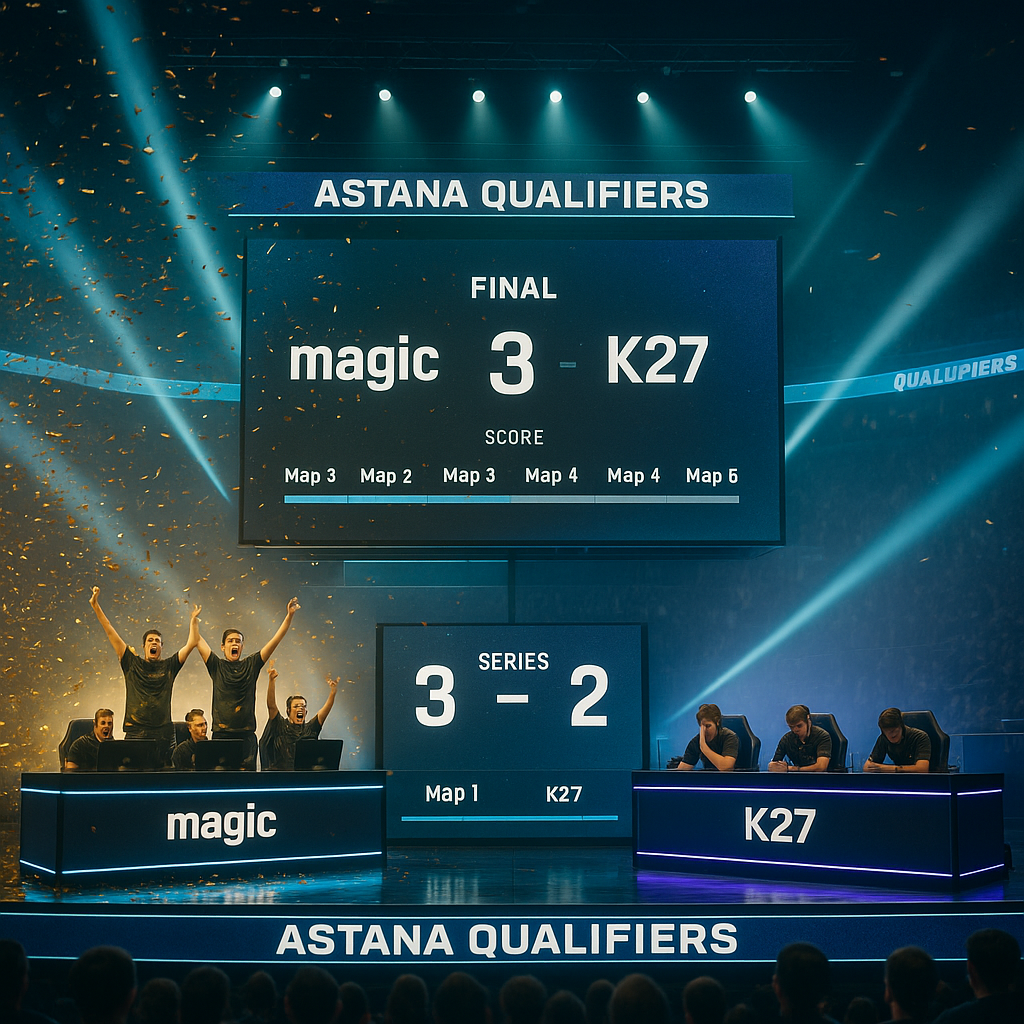
The Astana qualifiers fixture between magic and K27 concluded with a 3-2 scoreline. K27 captured the opening two maps, but magic recovered and won the next three to take the series. The match showcased momentum swings, in-game adjustments, and the psychological side of competitive CS2.
Match overview
The series began with K27 showing early control, securing back-to-back map victories to take a 2-0 lead. At that stage the tie looked to be leaning in K27’s favor, with magic needing to recalibrate. Rather than folding under pressure, magic found responses that swung the balance of later maps in their favor.
The final result was a 3-2 comeback for magic. From a spectator perspective, the tie underlined how a lead in a best-of-five can evaporate when the trailing side adapts. The remainder of this article breaks down general patterns visible in such matches and the broader implications within qualifiers coverage.
Tactical adjustments and momentum
A 2-0 lead is significant, but not definitive. When a team leads early, the opponent often shifts strategies: changing default timings, rotating utility usage, or altering individual roles. In this series, magic’s ability to adjust after the initial maps was decisive. Adapting mid-series is a common pathway for comebacks in high-level play.
Momentum plays a strong psychological role. Winning a single map after trailing can inject confidence into a squad and force the opponent to second-guess earlier decisions. Conversely, the leading team can start to overextend, attempting to close the series quickly and inadvertently creating openings. Matches that end 3-2 frequently hinge on which side manages those emotional and tactical transitions better.
Economy, inventory, and risk management
In CS2, economy and inventory decisions influence map outcomes without appearing on the scoreboard. Careful management of utility, armor, and weapon purchases across rounds lets teams sustain competitive round-to-round pressure. When a team falls behind, efficient economy play and calculated risk-taking become essential to enable comeback attempts.
From a qualitative angle, teams that mount comebacks often balance aggression with patience: they pick rounds to force confrontations while preserving resources in others. That approach increases the chance to string rounds together and swing later maps. These are general principles visible in many qualifier matches and are consistent with the flow seen in this series.
Implications for both teams
A five-map series provides lessons for both winners and losers. For the team that staged the comeback, the result reinforces the value of adaptability and mental resilience. For the side that lost after leading 2-0, the match underlines risks tied to complacency and failing to respond to opponent changes.
Within the context of qualifiers, single series results can carry heightened pressure, and teams are tested on depth of strategies and consistency. Close matches are often the best indicators of areas to refine before further stages: mid-series tactics, clutch situations, and economic steadiness.
Conclusion
The magic versus K27 series ended 3-2 with a notable turnaround: K27 won the first two maps, but magic claimed the last three. The tie highlighted familiar themes of adaptation, momentum, and resource management that shape many qualifier encounters. Both teams can draw practical takeaways from the series as they move forward in the competitive cycle.
While scores capture the headline, the underlying match dynamics offer a deeper picture of how best-of-five contests evolve. Observing these dynamics provides clearer insight into why early leads are valuable but never absolute in high-level CS2 play.